

We build networks of experts with hands-on policy and industry experience and actionable technical and concrete knowledge across a range of domains related to economic transformation.
Our global network of partners and advisors includes experts with deep technical knowledge across industries and in all aspects of industrial strategy and economic development, historians with deep understanding of the economics and politics of economic transformation, and many more types of essential expertise.
Our Pipeline
i3T identifies experts and young professionals in Latin America and beyond to foster a community of thought and practice and quickly deploy expertise to where it is most needed. We:
- Partner with research institutions, think tanks, firms, and civil society organizations through collaborations on research, policy design, personnel sourcing, and training
- Maintain a database of experts and early-career talent, especially from Latin America and the global South
- Act as a recruitment partner for public sector institutions and the private sector
- Hold practical training workshops where students and young professionals learn from seasoned practitioners based on case studies of real-world policy challenges
- Run a Fellowship Program for students and professionals to carry out research and practical projects
Team

Isabel Estevez
Co-Executive Director, i3T
Isabel Estevez is an institutional and development economist focusing on the dynamics of economic transformations, nature-economy relationships, and green transitions. She has advised policymakers in the US, Europe, and Latin America, as well as multilaterals and civil society organizations, on the design of transformative industrial policies. She has published widely on strategic public investment, trade, procurement, and (green) industrial strategy. Isabel served as Deputy Director of Industrial Policy and Trade at the Roosevelt Institute's Climate and Economic Transformation Program and Senior Policy Advisor for green industrial policy at the Sierra Club in the United States, and has advised various governments, the G20, and the World Bank, among others. She holds a Ph.D. from the University of Cambridge, where she specialized in the use of industrial policy for economic transformation. Isabel is a fellow at the Climate and Community Institute, a member of Common Wealth's Green Planning Commission and Senior Research Advisor at Oxford University's TIDE Center. She has taught at the University of Cambridge and Goldsmiths, University of London.
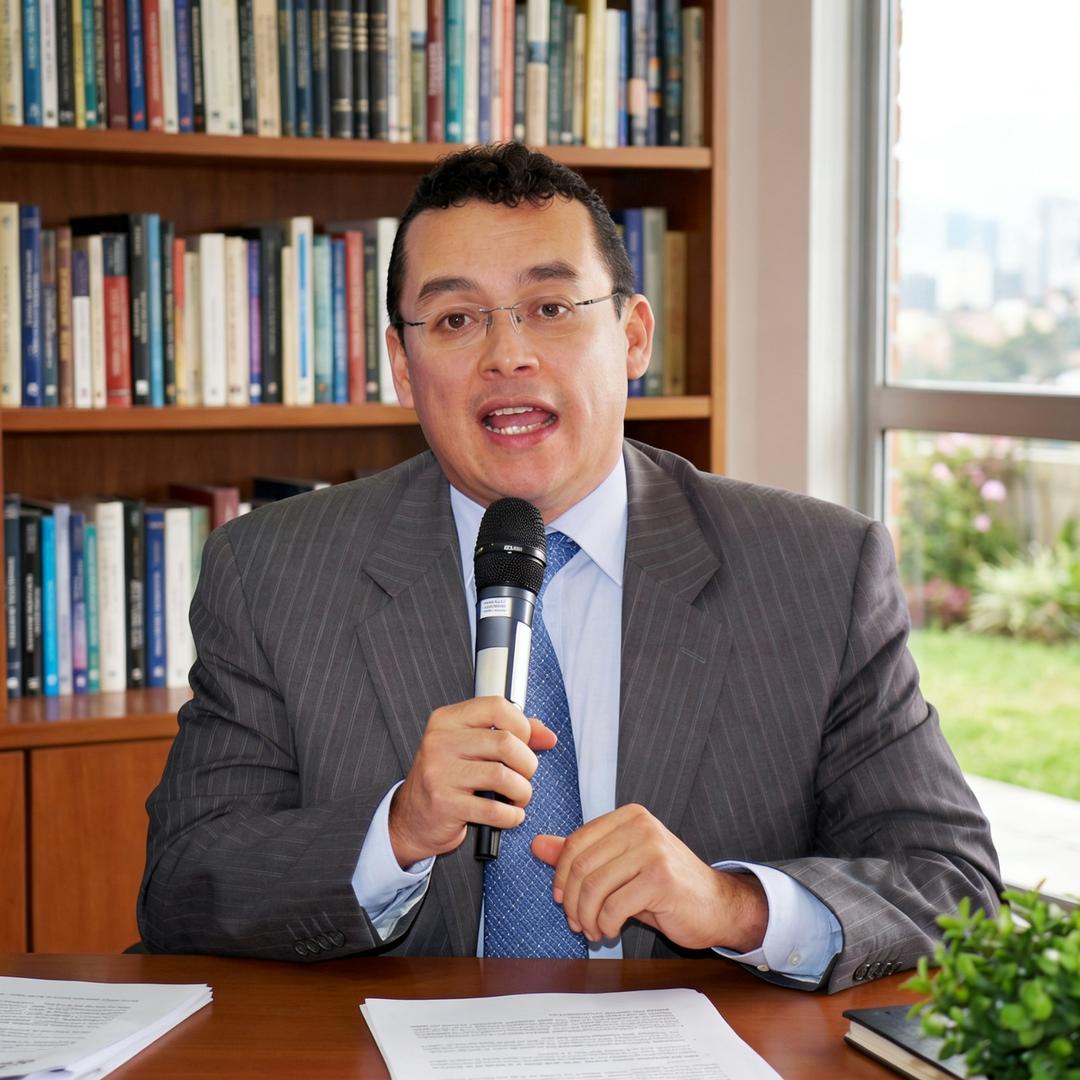
Santiago Vásquez
Co-Executive Director, i3T
Santiago Vasquez is a Chilean economist with a Master's degree in Corporate Strategy and Economic Policy from the Maastricht University School of Management in the Netherlands. For the past five years, he has applied his procurement and management expertise in Africa and Latin America for the United Nations System, including UNICEF and the Economic Commission for Latin America and the Caribbean (ECLAC). He has developed several critical projects for Latin American economic transformation, such as the first-ever Central Bank Digital Currency System and the Pooled Procurement Purchase of Medicines for the entire Ecuadorian public health system. Additionally, he implemented effective policies for industrial transformation, technology transfer, and disaggregation through public procurement, facilitating the allocation of public procurement resources to benefit thousands of solidarity-economy organizations in the country. He has also applied legal and administrative capabilities as the Deputy National Secretary of Planning and Development and the General Director of the Public Procurement System of Ecuador.

Nicolás Grimblatt
General Coordinator, i3T
Nicolás is a Chilean economist specializing in international trade, trade policy, industrial policy, and innovation policy. He was selected as part of the 2024 World Trade Organization Young Professionals Programme. Nicolás has extensive experience in the public sector and international organizations, as well as in the private sector. He is a former consultant and research assistant at UN-ECLAC, with experience at Chile's Ministry of Foreign Affairs (SUBREI) and InvestChile. Nicolás holds a Master's in International Development from the Institut Barcelona d'Estudis Internacionals and an economics degree from the Universidad de Chile. His areas of expertise include trade policy, digital trade, and diversification policies across Latin America.
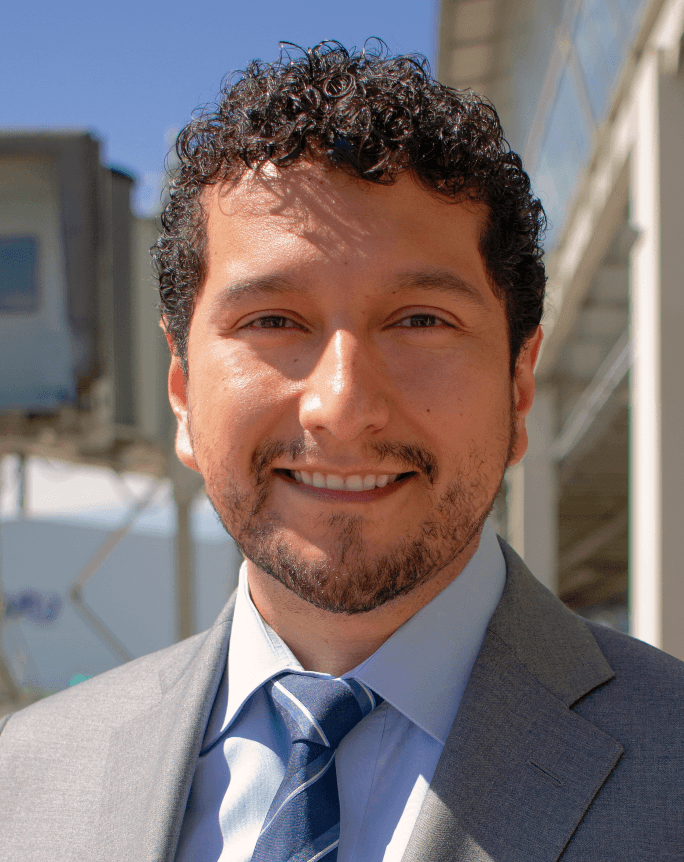
Andrés Chiriboga
Director of Finance for Industrial Transformation
Andrés Chiriboga-Tejada is an economic sociologist working on financing for development, monetary policy, cooperation and debt management. His work bridges academic research, advocacy and high-level policy advisory, focusing on the political economy of development, monetary repertories and coordination among countries to deploy joint policies. He has held senior roles in Ecuador's Ministry of Economy and Ministry of Planning in Ecuador, where he coordinated national policy agendas and participated in the design and implementation of a new financial architecture for the Union of South American Nations (UNASUR). He was also a board member at the Monetary and Financial Regulation Committee, the Central Bank, the Securities Commission and the Foreign Trade Committee. He has also served as Ecuador's governor to the IMF and the World Bank. In the last years, he has combined his academic activities with advocacy and diplomacy activities in the area of debt relief in the Global South, where he has worked with a large network of CSOs and several governments, including Colombia, Cuba, Brazil, South Africa and Uganda. He holds a Ph.D. in Sociology from Sciences Po Paris where he is a research and teaching fellow. He also has a MSc. in Economic Sociology from the London School of Economics and a MA in Finance from the Monterrey Institute of Technology and Higher Education. He is currently a postdoctoral researcher at the Institute of Economic Research (IIEc) of Universidad Nacional Autónoma de México (UNAM).
Advisory Council

Mónica Bruckmann
Senior Advisor, i3T; Research Professor at Department of Political Science, Federal University of Rio de Janeiro; Co-Coordinador, CLACSO Working Group on Geopolitics and Regional Integration
Monica Bruckmann is a Peruvian-born social scientist and holds a PhD in Political Science from the Federal Fluminense University (Brazil). She is a Professor at the Department of Political Science and the Post-graduate Program in Comparative History at the Federal University of Rio de Janeiro, where she also serves as the Director of International Relations at the Institute of Philosophy and Social Sciences (IFCS/UFRJ). Dr. Bruckmann is a permanent faculty member of the Doctorate in Administrative Sciences at the National Autonomous University of Mexico (UNAM), Council member of Tricontinental Institute of Social Research and President of the Latin American Information Agency (ALAI). She was Director of Research of UNESCO Chair and Network on Global Economy and Sustainable Development (REGGEN) from 2000 to 2018, Advisor to the Secretary General of the United Nations of South America (UNASUL) from 2011 to 2014 and Director of Celso Furtado International Center on Politics for Development. Currently, she is a member of the editorial board of several academic journals, including Ola Financiera (UNAM/Mexico), Social Change (SAGE/India), and Revista Passagens (Federal Fluminense University/ Brazil). An expert on the geopolitics and natural resources and technological cycles as well as regional integration and world system, Dr. Bruckmann has published over twenty-two books, which have been translated into several languages.

Ha-Joon Chang
Senior Advisor, i3T; Research Professor at the Department of Economics of SOAS University of London; Co-Director of the Centre for Sustainable Structural Transformation (CSST)
Ha-Joon Chang has worked on a wide range of issues related to economic development, especially trade and industrial policies, productive capabilities development, institutions and development, global economic system, the history of economic development in today's rich countries, and the political economy of development. In addition to numerous journal articles and book chapters, he has published 17 authored books (five co-authored) and 11 edited books (seven co-edited). His main books include The Political Economy of Industrial Policy, Kicking Away the Ladder, Bad Samaritans, 23 Things They Don't Tell You About Capitalism, and Economics The User's Guide. His latest book is Edible Economics. His writings have been translated and published in 45 languages and 46 countries. Worldwide, his books have sold around 2.5 million copies. He has advised numerous international organizations, national governments, civil society organizations, and corporations (both private-sector and public). He is currently a member of CDP (Committee for Development Policy), the highest advisory body of the United Nations on development issues, as well as committees overseeing or advising other international organizations (e.g., UNRISD, AIIB) and academic bodies (e.g., IDS, Sussex). Chang is the winner of the 2003 Gunnar Myrdal Prize and the 2005 Wassily Leontief Prize.
Adriana Abdenur
Senior Advisor, i3T
Adriana Abdenur is a Brazilian policy expert and co-founder of Plataforma CIPÓ, a climate, peacebuilding and cooperation platform. She has served as Special Advisor (International Affairs) to the President of Brazil and led Brazil's G20 agenda. She is also a member of the Climate Security Expert Network. She was previously coordinator of the International Peace and Security area at the Igarapé Institute, where she supervised projects on climate security, migration, conflict mediation and prevention, and peace operations. Dr. Abdenur is a member of the Committee on Development Policy (CDP) of the UN's ECOSOC and of the Expert Working Group on Climate-related Security Risks, invited by the German government to provide input for the UN system on climate and security. She earned her Ph.D. from Princeton University and her bachelor's degree from Harvard University. She is a member of the G20 expert taskforce led by Joseph Stiglitz to combat extreme wealth inequality.

Isabella Weber
Senior Advisor, i3T; Associate Professor of Economics at the University of Massachusetts Amherst; Associate in Research at the Fairbank Center, Harvard University
Isabell Weber works on policy responses to inflation and has advised policymakers in the US, Germany, Europe and Latin America on price stabilization measures. Her next book, ESSENTIAL Inflation, Profits and Survival in an Age of Emergencies, will be translated into seven languages. Her first book How China Escaped Shock Therapy The Market Reform Debate won the Joan Robinson Prize, Keynes Preis and the Hans-Matthöfer Preis and the International Studies Association Best Interdisciplinary Book Award. It was translated into five languages and featured on the best book of 2021 lists by the Financial Times, Foreign Policy, Project Syndicate and Folha de S.Paulo, among others. Her writings have appeared in The New York Times, Financial Times, Washington Post, the Guardian, Foreign Affairs, Foreign Policy, Project Syndicate, die Zeit and Süddeutsche Zeitung. For her public policy work, she has been recognized as one of Time 100 Next, Bloomberg 50 Ones to Watch, Marketwatch 50, Fokus 100 Women of the Year, Manager Magazin 100 Women in Business and Economics, Capital 40 under 40 and Wirtschaftsmagazin 30 thinkers for 2030. She was the principal investigator of the ESRC-funded Rebuilding Macroeconomics project What Drives Specialization? A Century of Global Export Patterns. Isabella Weber holds a Ph.D. in Economics from the New School for Social Research, New York, and a Ph.D. in Development Studies from the University of Cambridge. She has been a visiting researcher at Tsinghua University, Beijing, and speaks Chinese fluently.
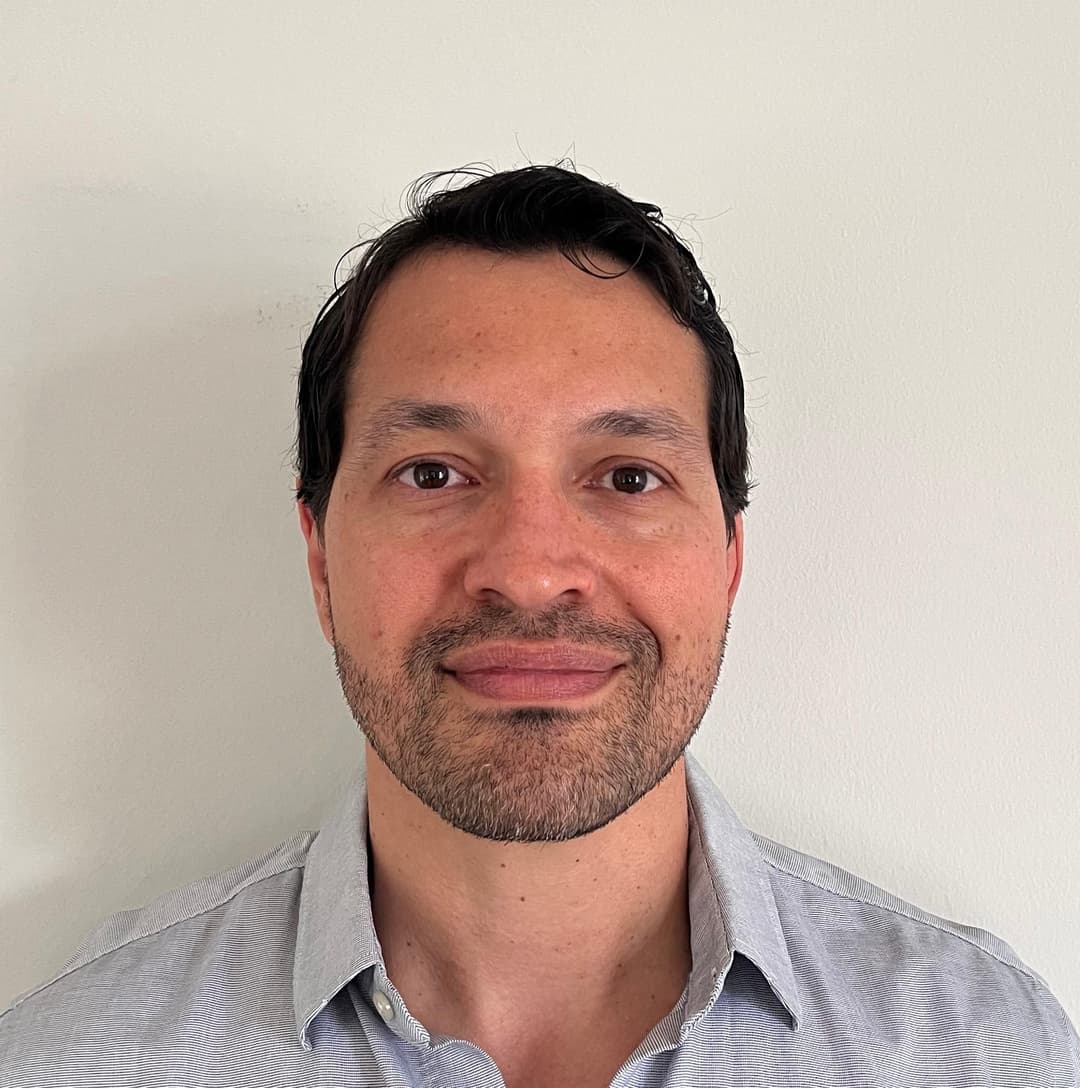
Andrés Valenciano
Senior Advisor, i3T; CEO of Democracia+
Andrés Valenciano is the CEO of Democracia+, a network of organizations that inspire and develop political leadership committed to strengthening democracies in Latin America. He previously led the Washington, D.C. Office of the United Nations Economic Commission for Latin America and the Caribbean (ECLAC), where he worked at the intersection of regional development, economic policy, and multilateral cooperation. Prior to that, as Costa Rica's Minister of Foreign Trade, he was responsible for trade policy, investment promotion, and engagement with the WTO. In this role, he positioned Costa Rica as the world's top destination for greenfield FDI, modernized the Free Trade Zone regime, and oversaw the country's accession to the OECD. Earlier in his career, Valenciano served as Executive President of Costa Rica's National Institute of Learning (INA), leading a major institutional transformation to expand access to technical and vocational education and the passage of a landmark Dual Education Law. He also directed several NGOs, delivering projects in education, health, housing, and economic development across more than 12 countries and three continents, in partnership with organizations such as PAHO, IADB, UNDP, and ILO. Alongside his executive roles, he is Senior Research Advisor at the TIDE Center (Oxford University), a Steering Committee Member for the Planetary Health Institute (Johns Hopkins University) and the Remaking Trade Project (Yale University, The Fletcher School, and the University of West Indies), and an Advisory Board Member for Programa Estado de la Nación in Costa Rica. He holds an Industrial Engineering degree from the University of Costa Rica, a Master's in International Business from The Fletcher School, a Master's in Public Administration from the Harvard Kennedy School, and is a Senior Fellow at the Lee Kuan Yew School of Public Policy at the National University of Singapore.
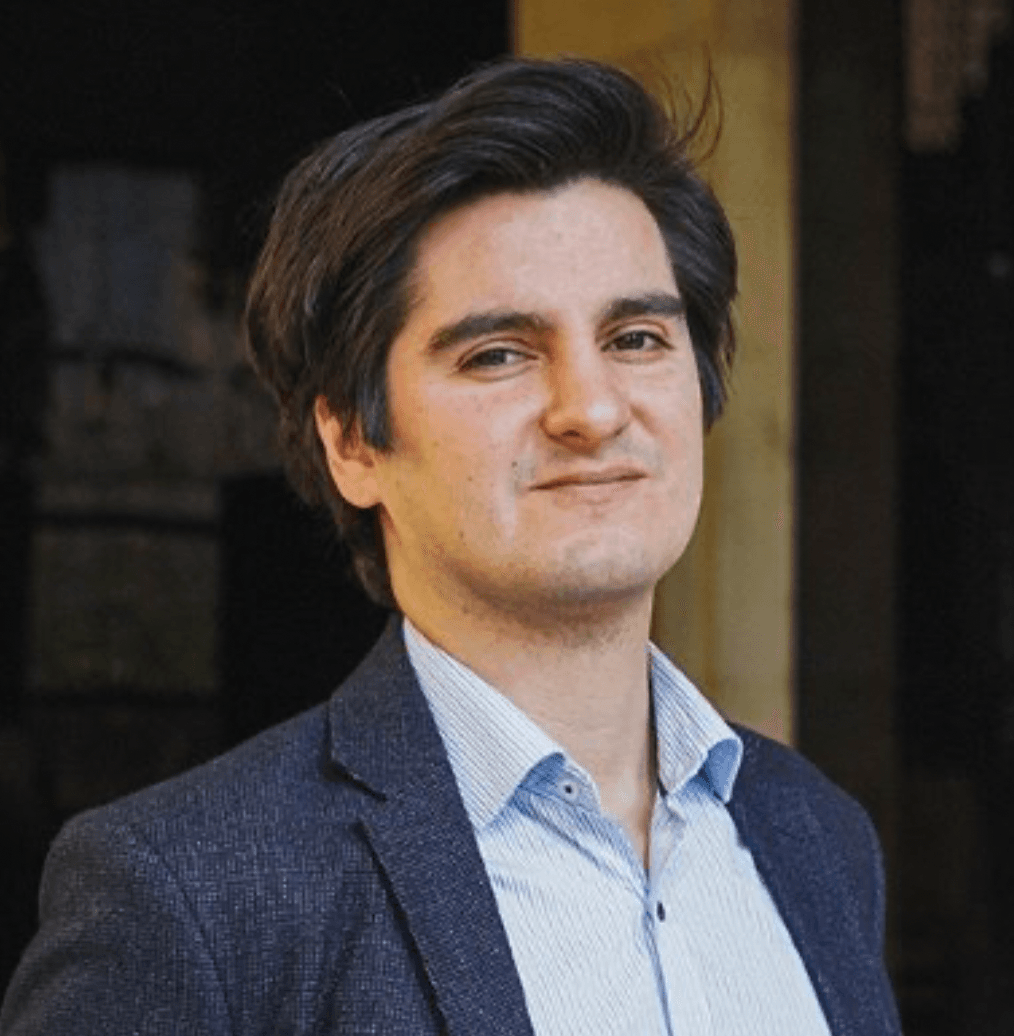
José Miguel Ahumada
Senior Advisor, i3T; Assistant Professor at the Institute of International Studies, University of Chile
José Miguel Ahumada is an Assistant Professor at the Institute of International Studies, University of Chile. He holds a PhD in Development Studies, University of Cambridge. In 2022, he served as Vice Minister of Trade in the Government of Chile. He is author of The political economy of peripheral growth Chile in the global economy (Palgrave, 2019), and co-author of The Nordic Lesson development trajectories in Norway, Finland and Sweden (Fondo de Cultura Económica, 2021).
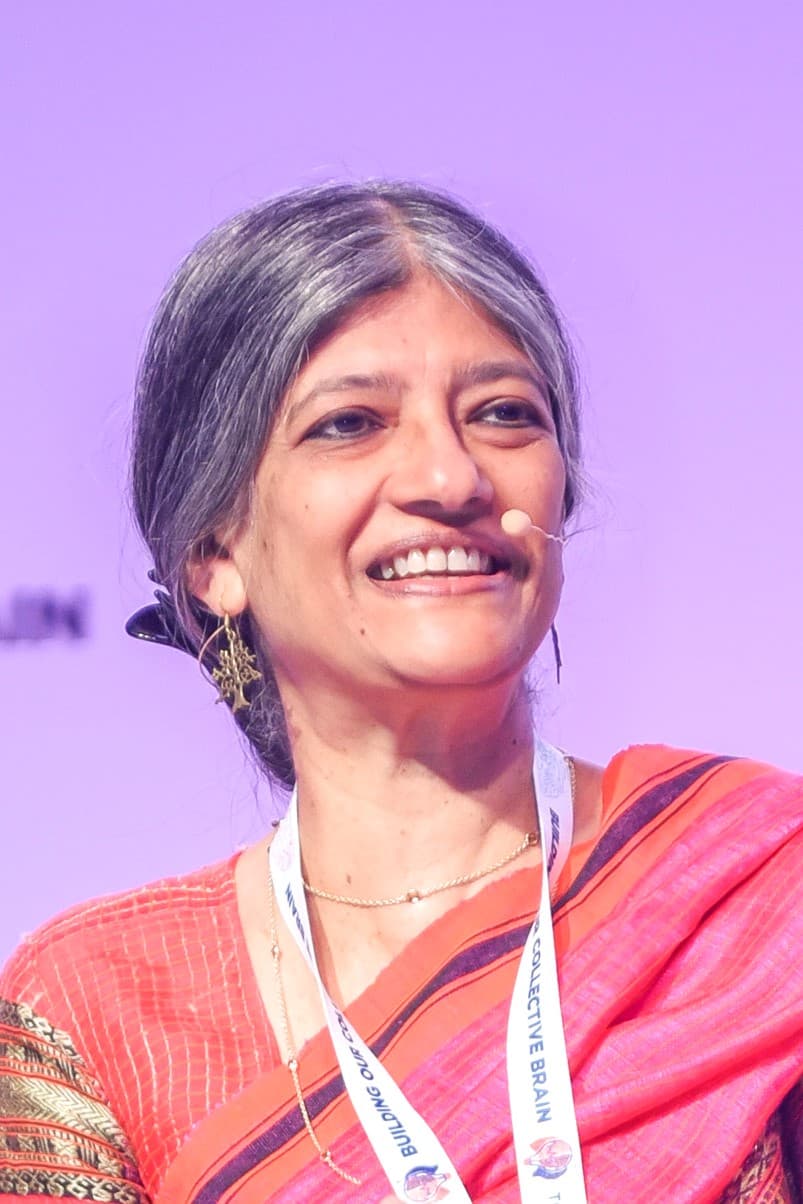
Jayati Ghosh
Senior Advisor, i3T; Professor of Economics, University of Massachusetts-Amherst
Jayati Ghosh taught economics at Jawaharlal Nehru University, New Delhi for nearly 35 years, and since January 2021 she has been Professor of Economics at the University of Massachusetts Amherst, USA. She has authored and/or edited 20 books and more than 200 scholarly articles. Recent books include "Women workers in the informal economy," Routledge 2021 (edited); co-edited "Elgar Handbook of Alternative Theories of Economic Development, 2014; co-authored "Demonetisation Decoded," Routledge 2017. She has received several prizes, including the 2015 Adisheshaiah Award for distinguished contributions to the social sciences in India; the International Labour Organisation's Decent Work Research Prize for 2011; and the NordSud Prize for Social Sciences 2010, Italy. She has advised governments in India and other countries, including as Chairperson of the Andhra Pradesh Commission on Farmers' Welfare in 2004, and Member of the National Knowledge Commission of India (2005-09). She was the Executive Secretary of International Development Economics Associates (www.networkideas.org), an international network of heterodox development economists, from 2002 to 2021. In 2023, she was awarded the John Kenneth Galbraith award by the Agricultural and Applied Economics Association, "in recognition of breakthrough discoveries in economics and outstanding contributions to humanity through leadership, research and service." She has consulted for international organizations including ILO, UNDP, UNCTAD, UN-DESA, UNRISD and UN Women and is member of several international boards and commissions, including the UN High-Level Advisory Board on Economic and Social Affairs, the Commission on Global Economic Transformation of INET, the International Commission for the Reform of International Corporate Taxation (ICRICT). In 2021 she was appointed to the WHO Council on the Economics of Health for All, chaired by Mariana Mazzucato. In March 2022, she was appointed to the UN Secretary General's High-Level Advisory Board on Effective Multilateralism, mandated to provide a vision for international cooperation to deal with current and future challenges. She also writes regularly for popular media, including newspapers, journals and blogs. She is a member of the G20 expert taskforce led by Joseph Stiglitz to combat extreme wealth inequality.
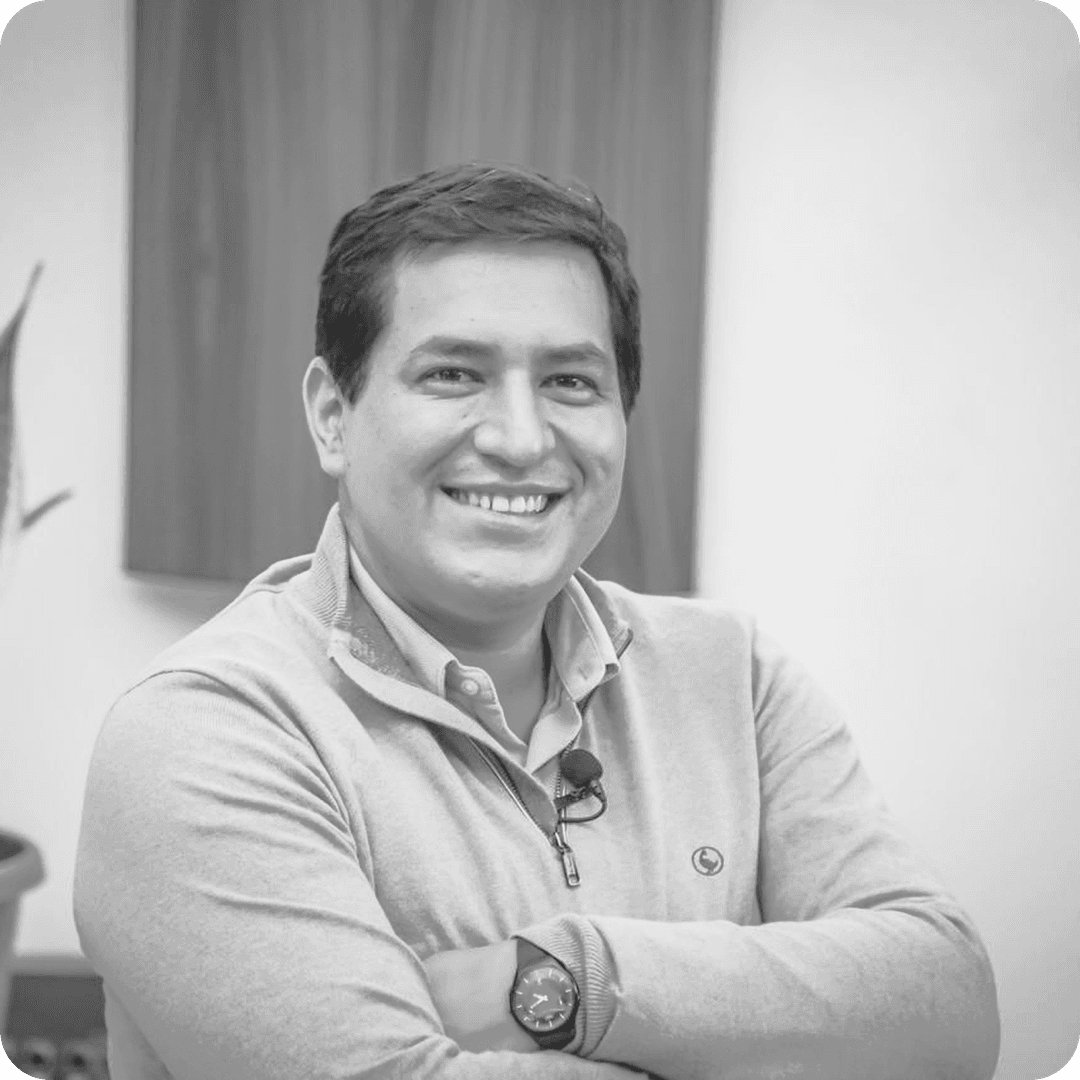
Andrés Arauz
Senior Advisor, i3T; Senior Research Fellow, CEPR; Co-coordinador, CLACSO Working Group on Geopolitics and Regional Integration
Andrés Arauz is an Ecuadorian economist and former central banker. He holds a Ph.D. in Financial Economics from the National Autonomous University of Mexico (UNAM). Dr. Arauz has served in several high-ranking positions within the Ecuadorian government. Notably, he was the Minister of Knowledge and Human Talent, where he championed policies to enhance the nation's educational and innovation systems. Dr. Arauz also led Ecuador's strategic investment agenda and industrial policy as Under Secretary for Public Investment, Vice Minister of Development Planning, and General Director of Public Procurement. He chaired Ecuador's Interministerial Committee for Quality Infrastructure and oversaw the National Standards Agency, the National Accreditation Body and the Export-Import Committee. Dr. Arauz's academic contributions include numerous academic publications in economic journals, where he explores themes such as developmental economics, fiscal policy, and financial regulation. His work is widely cited and has significantly influenced both regional and international economic discourse.
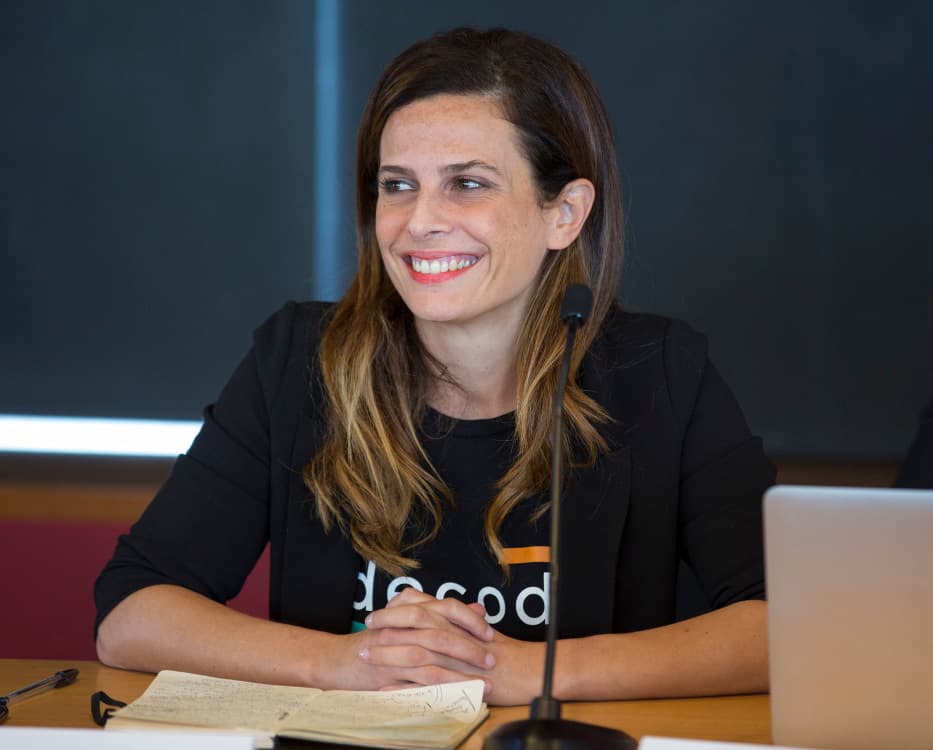
Francesca Bria
Senior Advisor, i3T; Digital and Innovation Policy Expert
Francesca Bria is an innovation economist working at the intersection of technology, geopolitics, economics, and society. She is an Honorary Professor at the Institute for Innovation and Public Purpose (IIPP) at UCL in London and a Senior Fellow at Stiftung Mercator in Berlin, where she leads the EuroStack Initiative on Europe's Digital Sovereignty (www.euro-stack.info.) She advises the European Commission and is a member of the High-Level Round Table for the New European Bauhaus, established by EC President Ursula von der Leyen to drive the EU's green transition. She also serves on the Spanish International Council on Artificial Intelligence, created by Prime Minister Pedro Sánchez, and is a member of the Committee of External Scientific Review at the International Institute for Applied Systems Analysis (IIASA). Previously, Francesca was president of the Italian National Innovation Fund (CDP Venture Capital) and a board member of RAI, Italy's public media company. From 2015 to 2019, she served as chief digital technology and innovation officer for the City of Barcelona, where she led the Barcelona Smart City Agenda and spearheaded digital democracy experiments. She co-founded the UN-backed Cities Coallition for Digital Rights and launched DECODE, the EU's flagship project on data sovereignty in Europe. She has advised the United Nations on digital cities and digital rights and led the New Hanse project on public-interest data governance for the City of Hamburg, pioneering a model where data is treated as a public infrastructure, governed democratically and mobilized for the common good.Francesca has taught at leading universities in the UK and Italy and has advised governments, international organizations, and institutions on technology and innovation policy, digital rights, and the socio-economic, geopolitical, and environmental impacts of technology. Her work has been widely recognized, including being named Commander of the Order of Merit of the Italian Republic, listed among the Top 50 Women in Tech by Forbes, and honored as Culture Person of the Year 2020 by F.A.Z. She was also ranked among the world's top 20 most influential figures in digital government by Apolitical and identified as one of the 28 power players driving Europe's tech revolution by Politico.

Gregor Semieniuk
Senior Advisor, i3T; Associate Professor, School of Public Policy and Department of Economics, University of Massachusetts Amherst
Gregor's research focuses on the political economy of rapid, policy-induced structural change—such as the transition to a low-carbon economy—and the energy and resource requirements of global economic growth and development. He is also interested in economic inequality, and how it is influenced by, and constrains, change in the economy and economic policy. From 2023 to 2025, Gregor worked as a Senior Climate Change Economist on staff at the World Bank, providing technical leadership on decarbonization strategies and industrial policy for clean tech investments with a focus on Eastern Europe. In addition to his Associate Professorship at the University of Massachusetts Amherst, Gregor holds affiliations as an Honorary Professor at the Institute of Innovation and Public Purpose at University College London, a Fellow at the World Inequality Lab, and will soon begin as Professorial Research Associate at the Centre for Sustainable Finance at SOAS University of London. Gregor's work has been published in 24 peer-reviewed articles including multiple times in Nature Climate Change and Nature Energy. Four of his articles are among the top 1% most-cited in their field according to Web of Science, and he is among the top 3% of economists for recent publications according to RePEc. Gregor has won grants from the UK's Natural Environment Research Council, the Economic and Social Research Council-funded Rebuilding Macroeconomics, and ClimateWorks. He has consulted for the United Nations Environment Programme, the European Commission, and the UK government. He holds a Ph.D. in Economics from the New School for Social Research.

Pedro Rossi
Senior Advisor, i3T; Associate Professor of Economics (UNICAMP)
Pedro Rossi serves as the Vice President and Chief Economist of the Global Fund for a New Economy (GFNE), is Associate Professor of Economics at the University of Campinas (UNICAMP) in Brazil (on leave), and currently has a mandate as Counselor to the Brazilian presidency in the Council for Economic, Social and Sustainable Development. Rossi was a Research Fellow at UNCTAD/UN in Geneva in 2010 and a visiting professor at Fudan University in Shanghai in 2019, served as the director of the Brazilian Society for Political Economy (SEP) from 2014 to 2018 and as director at the Center for Studies on Current Trend and Economic Policy at UNICAMP from 2015 to 2018. He founded Transforma, a Brazilian Think Tank focused on sustainable and just development and economic policy. He holds a degree in economics from the Federal University of Rio de Janeiro (UFRJ) and a master's and doctorate from Unicamp. He is author of the book Brasil em Disputa and Exchange Rate and Exchange Policy in Brazil, co-author of the book Economy for Social Transformation a short manual to change the world and co-organizer of the book Post-pandemic Economy dismantling the myths of fiscal austerity and building a new economic paradigm.
Community Members
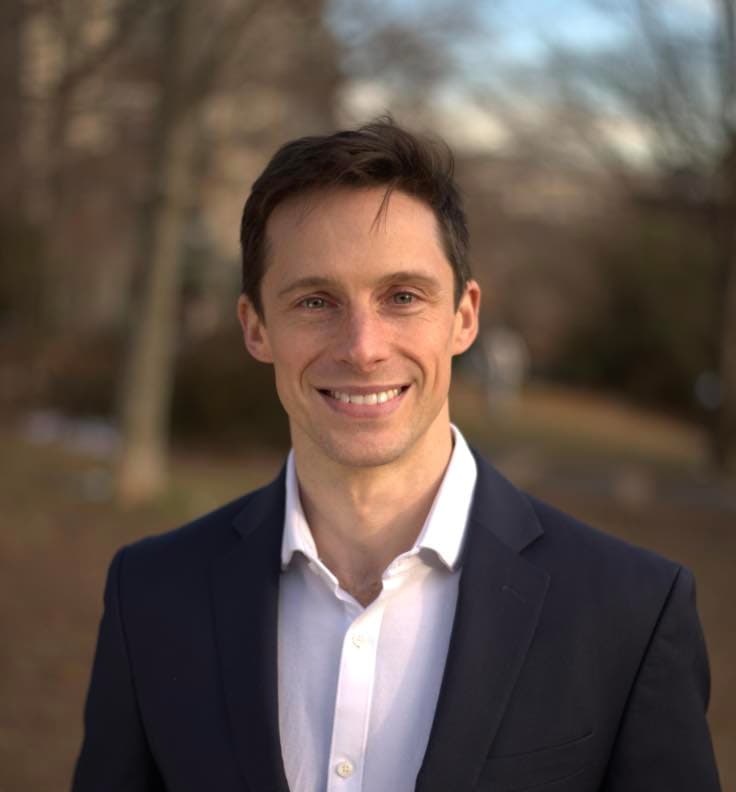
Aaron Cantrell
Aaron Cantrell is a finance and investment specialist focused on the role of financial systems in driving equitable and sustainable transformations. Centering on the concept of just transition, his work with the private, public, and development sectors supports integrated, programmatic approaches to climate action, decent work, social equity and inclusion, human rights, industrial strategy, and transition planning. As Just Transition Specialist at UNEP FI, he works directly with financial institutions at the nexus of their social and environmental strategies, including to foster alignment with public sector transition plans and industrial strategies. As Executive Director of Future Nexus, he has advised investor groups, business coalitions, government agencies, NGOs, and multilateral institutions on just transition and sustainable finance, including with respect to financial regulations, strategies, and practices. He led the design of a Just Transition Finance Facility for the Asian Development Bank and collaborated with institutions such as the Sierra Club, the China Council for International Cooperation on Environment and Development, the UN Global Compact, and the International Labour Organization. Previously, Aaron served as Chief Economist for a London-based investment manager, where he developed impact investment strategies rooted in innovative macroeconomic theories of change. Fluent in Mandarin Chinese and a member of the National Committee on U.S.-China Relations, Aaron also engages with the role of China in global green transitions. Aaron holds graduate degrees from Oxford University (M.Phil. in Economics) and Johns Hopkins University - Nanjing University (Master of Laws and Master of Arts in International Studies).
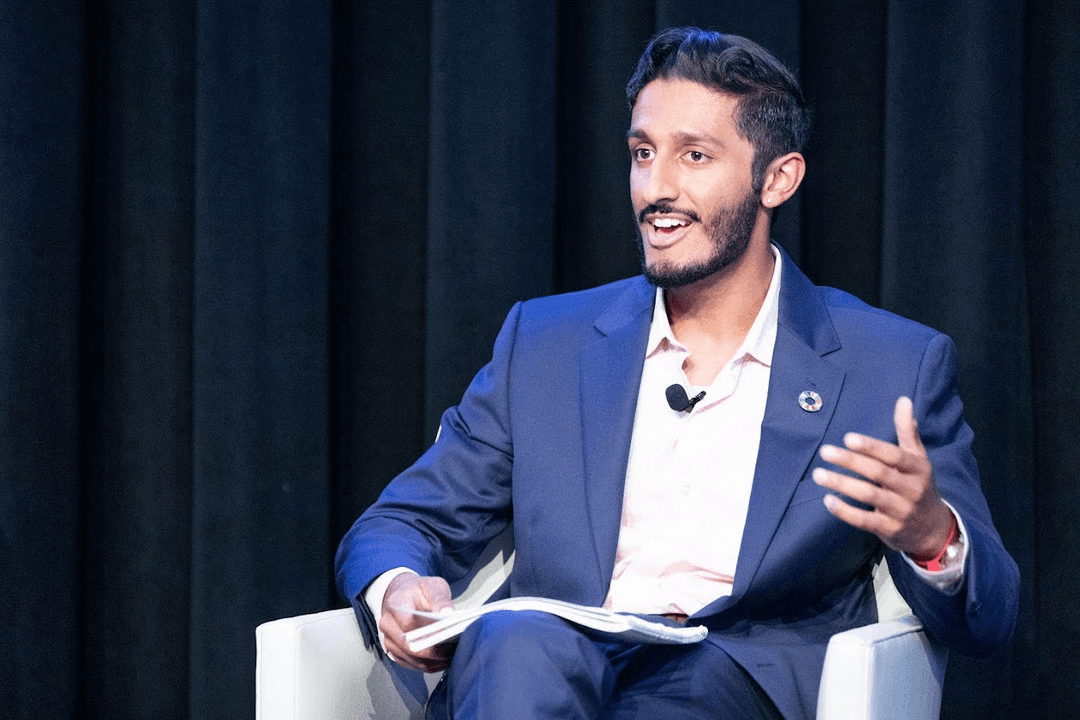
Advait Arun
Is the Senior Associate for Energy Finance at the Center for Public Enterprise, a nonprofit think tank supporting public development of clean energy and multifamily housing. His work focuses on overcoming the barriers to mobilizing capital toward crucial climate and infrastructure investments. He formerly worked on global climate finance issues for the United States Department of the Treasury.
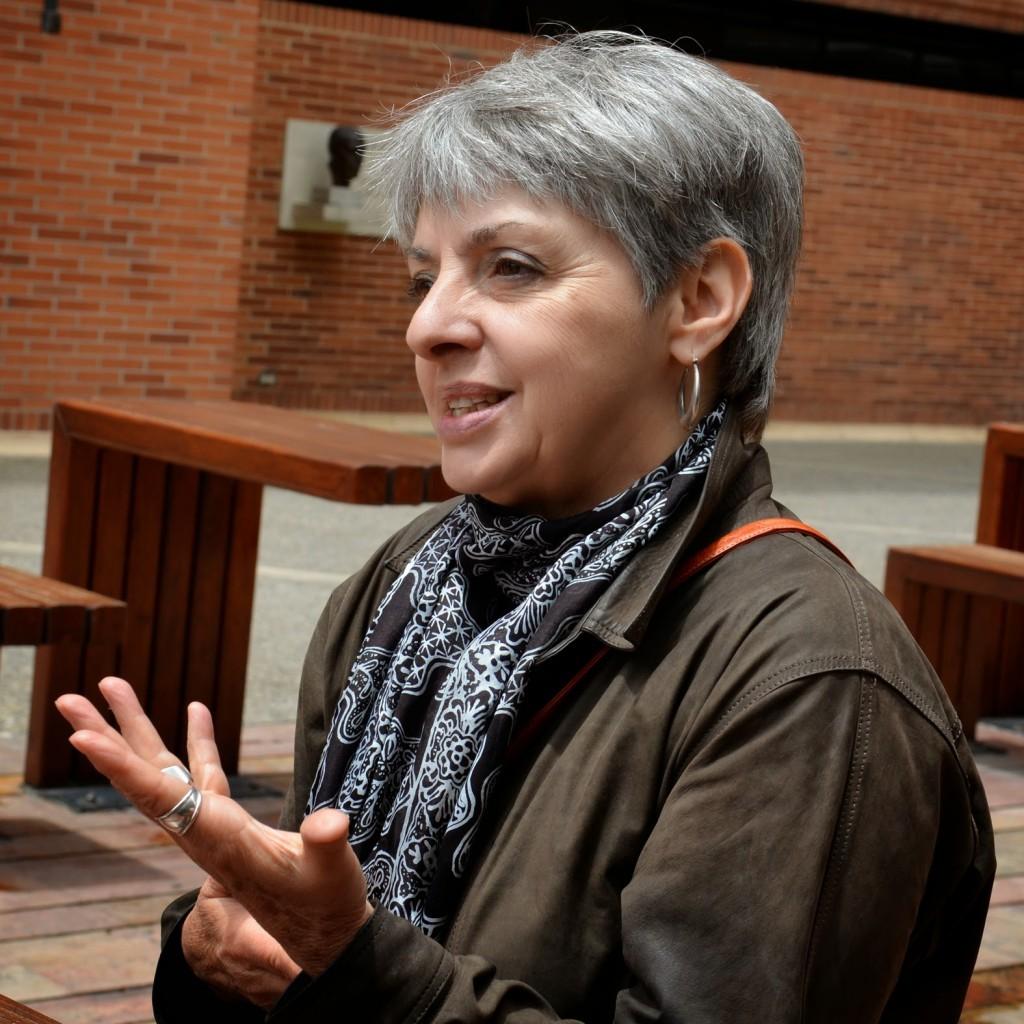
Ana Esther Ceceña
Ana Esther Ceceña is a Mexican economist who critically explores the intersections of global power, natural resources, and the politics of development. She earned her degree in Economics from UNAM and holds a doctorate in International Economic Relations at the Sorbonne University in France. She served as full professor Faculty of Economics and PhD in Latin American Studies at UNAM's, and has been a senior researcher at UNAM's Institute for Economic Research since 1989. As coordinator and founder of the Latin American Geopolitics Observatory (OLAG), she leads research into power dynamics, territory, and resistance movements. Her work advances the notion that domination and resistance are co-constitutive forces, rooted in long-term institutional structures while shaped by civilizational and everyday social dynamics. From 2006–2015, she was a member of the Polarization Project, coordinated by Immanuel Wallerstein. From 1994-2004, she directed the influential journal Chiapas, aligned with the Zapatista movement. Ceceña has received the Sor Juana Inés de la Cruz distinction from UNAM in recognition of her contributions to teaching, research, and advocacy. She is the Director of the journal América Latina en Movimiento - Agencia Latinoamericana de Información (ALAI).

Bruno Danelon
Bruno is a Co-Founder at the start-up incubator TJI and its professional training and strategic talent acquisition partner, TEA. TJI accelerates startups by equipping visionary entrepreneurs with strategic insights, mentorship, and academic rigor. Its community fosters rapid innovation, turning groundbreaking ideas into practical, scalable solutions. TEA's mission is to help people kickstart tech careers in tech and become experts without spending lots of money on a traditional college education. In addition to his work in the tech sector, Bruno holds a master's degree in history and a bachelor's in international relations and has worked in the Argentine government and academia.

Christian Kroll
Christian is the founder of Ecosia, the search engine that plants trees. He launched Ecosia in 2009 after a year-long trip around the world to help people in developing countries and to do something about climate change. The Berlin-based search engine now has 100 employees and millions of users, enabling the company to plant a tree every second. Christian also helped to incubate World Fund, which is now one of Europe's leading climate tech VC funds.
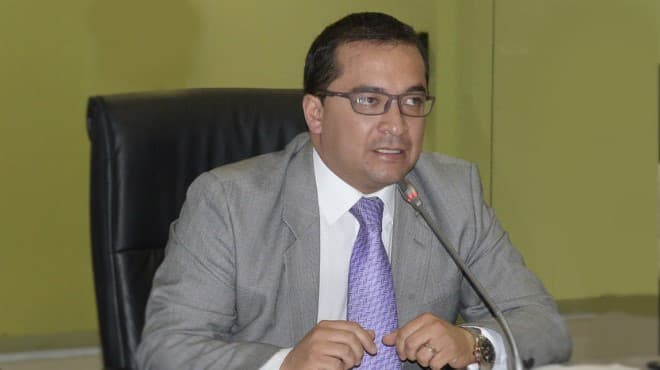
Christian Rivera Zapata
Senior consultant with over 15 years of experience in developing management models, technological innovation, and public regulation. He has held leadership positions such as CEO of Infinity Solutions Smart Community LLC (USA), CEO of Infinity Solutions RII Cía. Ltda. (Ecuador), and General Director of the Integrated Security Service ECU 911, in addition to serving as Director of Telecommunications Services Management at the National Telecommunications Secretariat (ARCOTEL). He has led strategic projects for public and private entities, including business model definition, digital platform implementation, and the development of methodologies for institutional monitoring and control, combining strategic vision, regulatory knowledge, and expertise in digital transformation applied to government and corporate sectors. In 2025, he is executing a consultancy focused on analyzing public procurement platforms, providing support in defining indicators, assessing regulatory frameworks, evaluating processes, and reviewing the usability of digital tools.

Christoph Landerbarthold
Christoph is a Berlin-based mechanical engineer and team leader with over 15 years of experience in the automotive industry, specializing in electric and all-wheel drive systems. Currently serving as Group Leader for Electric Axle Design at eAx Solutions GmbH, he leads a multidisciplinary team in the development of high-voltage e-mobility components and drives innovation in tools, processes, and sustainability. Previously, he co-founded a consultancy focused on technical problem-solving using TRIZ methodologies. His earlier roles include leading All-Wheel-Drive system design at GKN Driveline and engineering drivetrain solutions at GETRAG for high-performance brands such as Ferrari and Land Rover. Christoph has managed projects from concept through to series production, including international coordination and supplier management. He holds a Master's degree in Strategic Sustainability Management from Hochschule für nachhaltige Entwicklung (HNEE) and a Diplom-Ingenieur (FH) in Mechanical Engineering from Hochschule Magdeburg-Stendal.

Diego Guevara
Diego Guevara is former Minister of Finance and Public Credit of Colombia. He holds a Ph.D. in Economics, a Master's in Economic Sciences, and an Engineering degree from the National University of Colombia. His academic career includes roles as Associate Professor and researcher at the National University of Colombia, the Fundación Escuela para el Desarrollo, Universidad de La Sabana, and Pontificia Universidad Javeriana. He has served as a consultant for the French Development Agency (AFD), focusing on macroeconomics and climate change, and was a visiting professor at Viadrina University in Frankfurt (Oder), Germany. His research interests center on the financialization of the economy, post-Keynesian economics, and stock-flow consistent (SFC) macroeconomic models. He has published in numerous international academic journals and was a regular contributor to El Espectador, one of Colombia's leading newspapers.
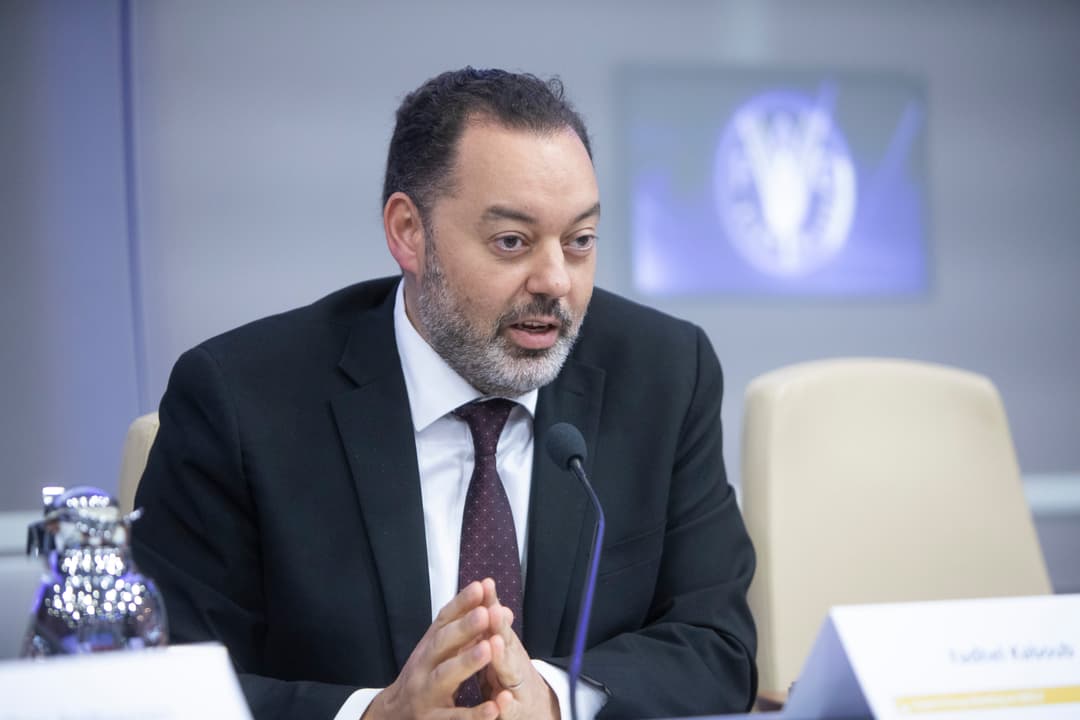
Fadhel Kaboub
Fadhel Kaboub is an associate professor of economics at Denison University, president of the Global Institute for Sustainable Prosperity, and author of Global South Perspectives on substack. He currently serves a two-year term on the United Nations High-Level Advisory Board on Economic and Social Affairs at UN-DESA. He is an expert on designing public policies to enhance monetary and economic sovereignty in the Global South, build resilience, and promote equitable and sustainable prosperity. His recent work provides a comprehensive policy framework on debt, development, climate, energy, food, industrialization, and geopolitics for a strategic repositioning of Africa and the rest of the Global South at the center of a new international economic order of peace, justice, and sustainable prosperity. His most recent co-authored publication is Just Transition: A Climate, Energy, and Development Vision for Africa (May 2023). He has held a number of research affiliations with the Levy Economics Institute (NY), the John F. Kennedy School of Government at Harvard University (MA), the Economic Research Forum (Cairo), Power Shift Africa (Nairobi), African Forum on Climate Change, Energy and Development (Abuja), and the Center for Strategic Studies on the Maghreb (Tunis).

Hebah Kassem
Hebah Kassem is a leading strategist and advocate in industrial policy and trade, environmental and climate justice, public health, legislative affairs, and grassroots organizing. With over a decade of experience driving change, she has shaped bold policies and mobilized communities at both the local and global levels. As the founder of Visionary Edge, Hebah develops and implements strategies that connect policy, advocacy, and movement-building. She has held leadership roles at organizations including Just Solutions Collective, The Sunrise Project, Sierra Club, Green New Deal Network, and the Congressional Progressive Caucus Center, where she advanced progressive policies and championed equitable climate and economic initiatives. At Sierra Club, she played a pivotal role in helping secure the historic investments of the Inflation Reduction Act, working in close collaboration with climate groups, labor unions, frontline communities, and grassroots movements. Her political strategy work also spans national campaigns, helping elect progressive leaders committed to justice and equity. Internationally, Hebah advises on initiatives at the intersection of human rights, climate, and public health, working to advance sustainable and equitable outcomes globally. She holds a Master of Public Health from the University of Illinois-Chicago and a Bachelor of Science from the University of Michigan.

Hernán Nuñez
Hernán Núñez Rocha is a legal scholar specialized in intellectual property and commercial law, with a distinguished international career. He holds a Doctorate in Law from the University of Alcalá and has played key roles in shaping public policies and managing intellectual property offices across Latin America. His experience includes advising governments, participating in international negotiations, and teaching at the university level. He currently combines his academic work with independent professional practice.

Iliana Paul
Iliana Paul is deputy campaign director at the Sierra Club working on industrial policy, including the environmental justice dimensions of heavy industry, climate-forward trade, and regenerative agriculture. Previously, she was a senior policy analyst with a think tank housed at New York University's School of Law, the Institute for Policy Integrity, working on tools for improving regulatory decision-making. She has also worked with NGOs leading on international advocacy at the intersection of gender equity, climate change, and sustainable development. Iliana holds a master of public administration from New York University's Robert F. Wagner School of Public Service and a bachelor of arts from Mount Holyoke College.

Johanna Bozuwa
Johanna (she/her) is the Executive Director at the Climate & Community Institute. She directs the network of researchers and experts to develop crucial and justice-based climate policy. Her research focuses on extraction and fossil fuels, energy justice and democracy, and the political economy of transitions. Prior to joining the Climate and Community Institute, Johanna managed the Climate and Energy Program at the Democracy Collaborative, a think tank focused on designing a more democratic economy. Johanna cut her teeth organizing in the Netherlands against fossil fuel infrastructure, influence, and finance, particularly against Royal Dutch Shell. Her work has been published and cited in outlets such as the Nation, the Guardian, Huffington Post, and the Hill.

Jorge Enrique Forero
Jorge Enrique Forero holds a PhD in Economic and Social Sciences from the University of Kassel, Germany. He has worked as a Senior Advisor for different institutions of the Ecuadorian government in the fields of higher education, science, and technology. Since 2021, he has been an Associate Professor in the Department of Socio-Environmental Studies at the Simón Bolívar Andean University in Ecuador. Between 2021 and 2023, he was a postdoctoral researcher with the SDG Nexus Network, where he explored the politics of extractivism in Ecuador. His research focuses on the politics of productive transformation, political ecology, and critical policy analysis, with a strong interest in how societies can move toward socially fairer and more sustainable futures.

Justus Schollmeyer
As a Co-Founder at RubidiumData, Justus oversees projects that leverage AI to automate knowledge-intensive tasks, including end-to-end value-chain analysis, the collection and processing of qualitative information through automated interviews, and the development of software solutions in accounting. Justus holds a Ph.D. in Economics from the University of Bremen (Germany) and has worked for nearly a decade as a data scientist. His dissertation generalizes engineering methods for trade-off analysis and innovation, making them applicable for decision-making in domains outside of engineering. RubidiumData's approach to automating supply-chain analysis builds on Justus' work about generalizing the analysis of technical systems. When he began his Ph.D., Justus worked as an independent consultant in manufacturing (primarily automotive), conducting root cause analysis for hard-to-solve engineering problems. In 2020, he joined Principia Advisory, where he became the data team lead, conducting data-driven root cause analysis projects for cultural issues in large organizations, including Big Four companies and various international banks using NLP and classical machine learning techniques.

Lara Merling
Dr. Lara Merling is a Romanian-American economist whose work bridges research and policy practice, with a focus on global economic governance, the international financial architecture including Special Drawing Rights and sovereign debt, climate and development finance, and green industrial policy. She has worked closely with multilateral institutions, supported labor movements in global policy debates, and engaged government officials across regions through research, advocacy, and capacity-building initiatives.
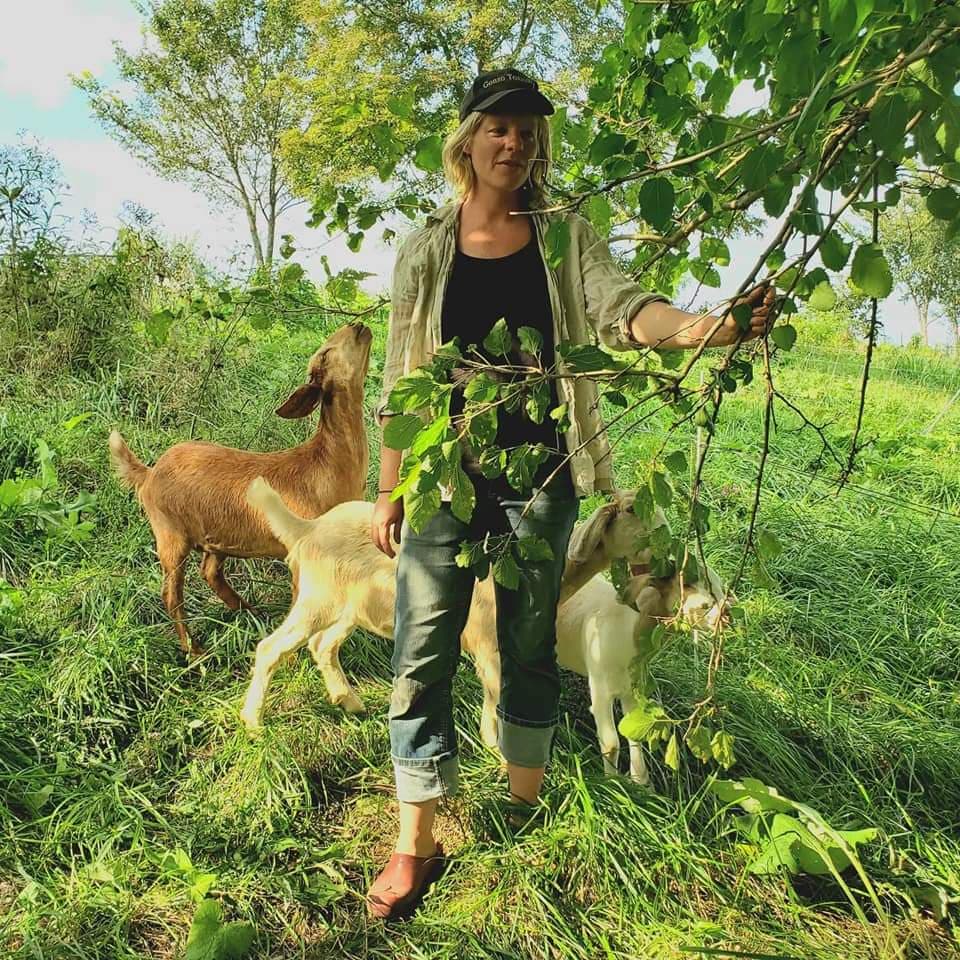
Lindsay Klaunig
Lindsay Klaunig is a regenerative farmer with more than 20 years of experience building diversified, sustainable agricultural and food processing systems. In addition to operating her 80 acre farm in Southeastern Ohio, Lindsay shares her expertise as an educator, advisor, and advocate on agricultural policy. Her use of climate-smart and regenerative production methods has been featured in the New York Times.
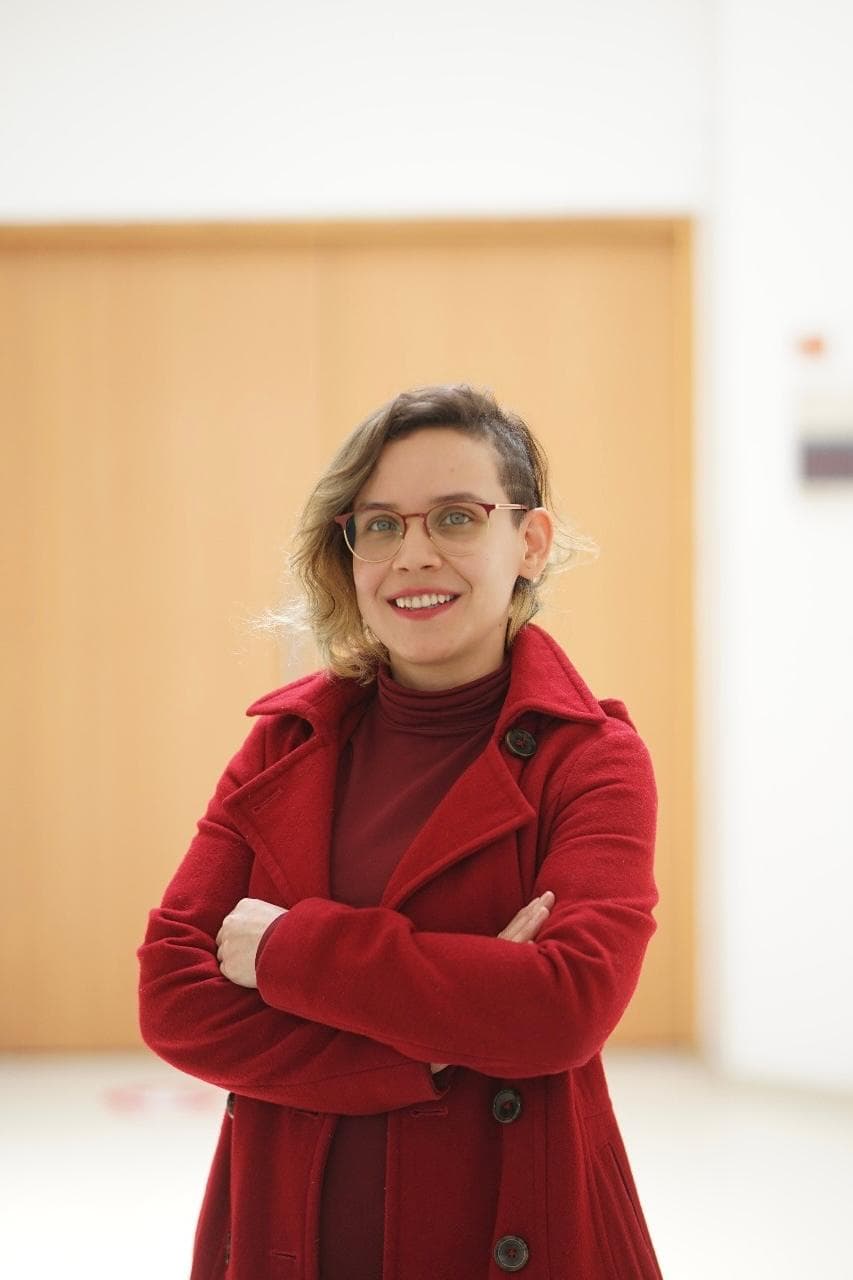
María Angélica Prada
María Angélica Prada Uribe is Deputy Director of the Centro de Pensamiento Vida in Colombia, where she leads research and advocacy in international economic law, social and environmental policy, and gender and intersectionality studies. She is a lawyer with master's degrees in International Law and Anthropology from Universidad de los Andes, Colombia. She has served as Head of International Cooperation at the Administrative Department for Social Prosperity in Colombia, Counsellor at the Colombian Mission to the Organization for Economic Co-operation and Development in Paris, and Advisor at the Presidential Council for Women's Equity in Colombia. She has been a visiting researcher at the Max Planck Institute for Comparative Public Law and International Law in Heidelberg, Germany, and a Climate Protection Fellow of the Alexander von Humboldt Foundation in Germany. With more than a decade of experience across academia, public service, and grassroots advocacy, she works to bridge technical expertise with social transformation.

Marie Therese Kane
Marie Therese Kane is an organizer, strategist, and policy advocate with a record of building impactful organizations to advance social, environmental, and economic transformations. She brings a range of experience across policy, organizing, organizational development, and solidarity economies, with a focus on democratic governance and community-driven policy. She has held roles with the U.S. Senate Committee on Banking, Housing and Urban Affairs; The Sierra Club; The World Bank; The Progressive Talent Pipeline; The Democracy Collaborative; and most recently, New York City government. Her industrial policy work includes green value chain mapping for the World Bank's EU Regular Economic Report and developing a regenerative agriculture agenda for the Sierra Club. As a Peace Corps Volunteer in Panamá, she partnered with rural communities and government ministries to advance climate and economic resilience. Marie Therese is currently a Masters student in Environmental Policy and Sustainability Management at The New School, and holds a B.A. in International Studies from College of the Holy Cross.

Mario Campa
Mario A. Campa Molina is a policy expert and editor specializing in political economy and green industrial policy. He currently serves as Head of Strategic Planning, Manufacturing, and Commercialization for LitioMx, Mexico's state-owned lithium company, where he leads strategic initiatives, including M&A activities, feasibility studies, funding applications and partnerships for battery recycling and electric vehicle development. Concurrently, he is a Contributing Editor at Phenomenal World by the Jain Family Institute, focusing on commissioning and editing essays on economic policy and the green transition. He is also an op-ed writer and analyst for various private and public media in Mexico. Previously, he was a Special Advisor to the Governor of Sonora, Mexico, where he led policy advising and speechwriting. His background includes roles as an assistant professor at ITESM, an external consultant for the ILO, and Head of Economic Analysis at GBM. He holds a Master's in Public Administration (MPA) in International Finance and Economic Policy from Columbia University and dual Bachelor's degrees in Economics and Political Science from ITAM.

Matias Jaeger
Matías Jaeger Recordon is a PMP®-certified project manager and architect with over 15 years of professional experience spanning international organizations, academia, and the private sector. He currently serves as Project Manager at the European Southern Observatory, where he leads complex initiatives in facilities and project management, ensuring strategic alignment and technical excellence. Previously, he worked as Facilities & Project Management Officer at the United Nations Economic Commission for Latin America and the Caribbean (ECLAC), where he specialized in sustainable design, infrastructure management, and organizational efficiency. His earlier career included architectural design, construction management, and consulting roles in Chile. Mr. Jaeger holds a degree in Architecture from the Universidad Técnica Federico Santa María and has pursued advanced training in sustainable design, building information modeling (BIM), and architectural imagination through programs at LinkedIn Learning and HarvardX.

Melanie Brusseler
Melanie Brusseler is a political economist and the US Programme Director of Common Wealth, a think tank that works in the US and UK on democratic ownership and economic coordination policy frameworks necessary to achieve green socio-economic transformation. Melanie leads Common Wealth's US programme and researches the political economy of decarbonization in US and global context. And the history and future of economic planning—including globally cooperative green economic planning. Her broader interests include US politics and political economy, progressive macroeconomic governance, global macrofinance, labor and progressive social movements, and the organization of key sectors such as electricity systems and healthcare. Her writing has appeared in Phenomenal World, The Financial Times, The Guardian, Heatmap News, Jacobin Magazine, and elsewhere. Prior to Common Wealth, Melanie worked at E3G and the Democracy Collaborative's Next System Project. Melanie studied global political economy at Penn State and Columbia.

Murat Yulek
A former economist with the International Monetary Fund (IMF), Murat Yulek has also served as a Visiting Scholar at Columbia University and taught at Georgetown University. Throughout his career, he has provided professional consultancy and training services in various countries for the World Bank, EBRD, IsDB, IFC and UNCTAD. He has authored a number of books and articles in economics, development and finance. His most recent books have been published by Anthem Press, Palgrave-MacMillan, Springer and Peter Lang and cover sustainable economic, financial development and policies, industrial policy and the design of public procurement policies aimed at fostering technological development in emerging countries. These include How Nations Succeed: Manufacturing, Trade, Industrial Policy and Economic Development, published by Palgrave MacMillan and Industrial Policy and Sustainable Development (Editor; 2017; Springer Verlag). He holds an MBA degree from Yale University, Ph.D. and M.A. degrees (economics) from Bilkent University, an MSM (management) degree from Boston University and a B.Sc. degree (mechanical engineering) from Bogazici University.
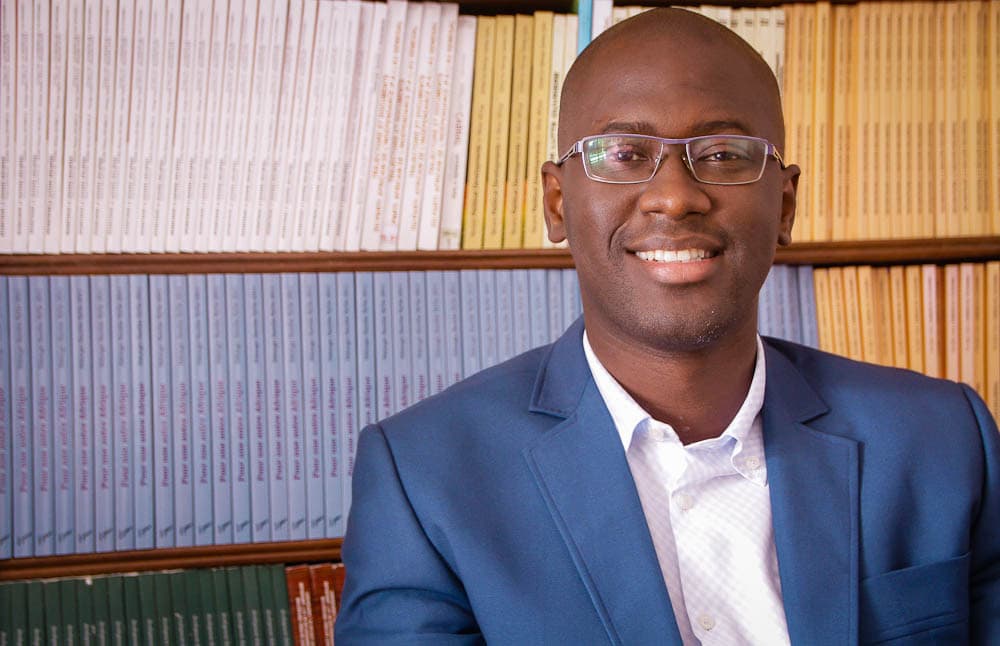
Ndongo Samba Sylla
Ndongo Samba Sylla (PhD) is a Senegalese Development Economist. Ndongo began his professional career as a researcher in France on employment and labor market issues (2001-2006) before joining the Presidency of the Republic of Senegal as a technical advisor for three years. After working as a consultant in the field of Fair Trade, he was recruited as program and research manager at the West Africa office of the Rosa Luxemburg Foundation, where he stayed for eleven years. He currently works at the International Development Economics Associates (IDEAs) as the Dakar-based Research and Policy Director for Africa. Ndongo co-founded a Senegalese civil society organization and a monthly Dakar-based physical forum on economic issues, which celebrated its tenth anniversary in 2023. He was also one of the initiators and organizers of the first two editions of the Conference on African Economic and Monetary Sovereignty. Dr. Sylla authored The Fair Trade Scandal. Marketing Poverty to Benefit the Rich (Pluto Press & Ohio University Press 2014) and co-authored Africa's Last Colonial Currency. The CFA Franc Story (Pluto Press 2021). He is a co-editor of Economic and Monetary Sovereignty for 21st century Africa (Pluto Press 2021) and Revolutionary Movements in Africa. An Untold Story (Pluto 2023). He is the editor of Imperialism and the Political Economy of Global South's Debt (Emerald 2023). He is a 4-time World Champion of French-Speaking Scrabble.
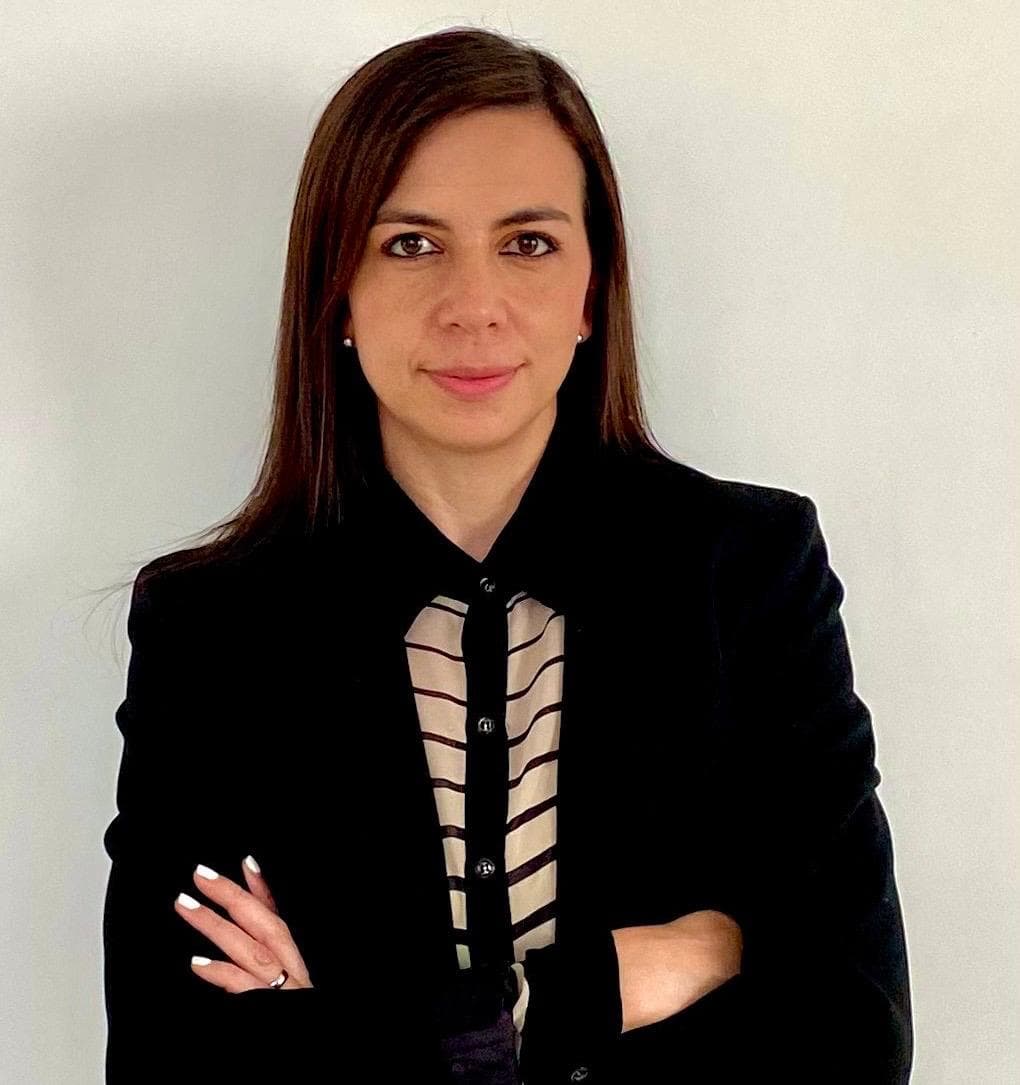
Pamela Saud
Pamela Saud Endara is an Ecuadorian attorney with a Master's degree in Administrative Law, a certified mediator, and an Auditor/Compliance Officer in the ISO 37001 Anti-Bribery Management System. She also serves as a postgraduate lecturer at several universities in Ecuador. She has over 15 years of professional experience focused on public administration, with a strong specialization in public procurement, compliance, intellectual property, among other areas. She has held senior positions at the Public Procurement System of Ecuador, where she played an active role in the negotiation of the Multiparty Trade Agreement between Ecuador and the European Union, as well as in the implementation of the ISO 37001 Anti-Bribery Standard in Ecuador. She has advised and promoted the drafting of legal reforms and legislative initiatives, as well as the implementation of policies aimed at strengthening integrity, transparency, sustainability, industrial transformation, equality, equity, and the recognition of rights.
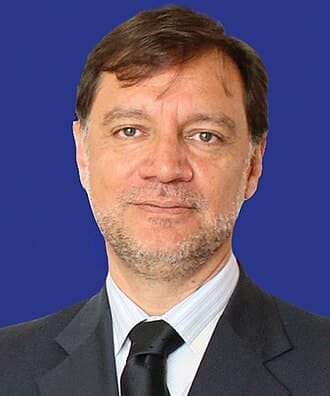
Pedro Paéz
Is an Ecuadorian economist and former public servant. He earned his PhD in Economics from the University of Texas at Austin. He has held several key government positions, including Minister of Economic Policy, where he managed the national economic agenda. He was appointed the first Superintendent of Market Power Control, establishing Ecuador's antitrust regulatory framework. He served as Ecuador's Plenipotentiary Representative for the New International Financial Architecture and was a member of the UN Stiglitz Commission of Experts on Reforms of the International Monetary and Financial System (2008). He has taught at numerous universities nationally and internationally and has authored significant works on macroeconomic policy, monopolies, and development economics.
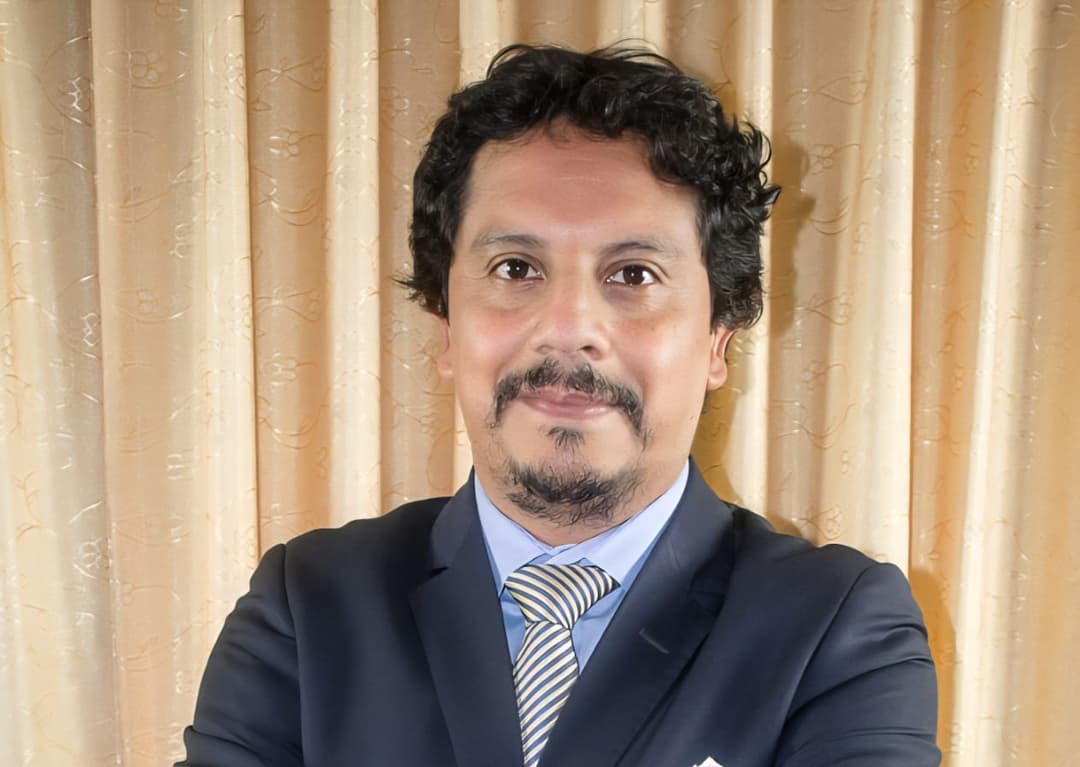
Robertho Rosero
Robertho Rosero holds a Ph.D. in Economics and has more than 20 years of experience in macroeconomics, national accounts, and input-output matrices, as well as in satellite and ecosystem accounts under the SEEA framework. He has served as a research professor and program director at the Central University of Ecuador, and held senior positions at the Central Bank of Ecuador, including Head of National Accounts, Director of Macroeconomics, and Deputy Manager of Economic Programming. He has worked as a consultant for international organizations such as ECLAC, the World Bank, and the Charles Darwin Foundation, leading projects on ecosystem accounting, environmental protection expenditures, and sustainable value chains. His research focuses on public policy, ecological economics, and sustainable development in Latin America.

Sebastián Irigoyen
Sebastián Irigiyen is an associate Professor-Researcher at ESSCA School of Management (Angers, France) and Audencia Business School (Nantes, France). He is a Mexican economist who graduated from the National Autonomous University of Mexico (UNAM) and holds a Master's and Doctorate in Economics from the University of Rennes in France. His fields of research include environmental policy, behavioral economics, well-being, time studies, and education. He is a member of the Earth Chair, the Centre Jean-Bodin, and the Centre for Legal and Political Research in France. He is also part of the European Union's team of experts at the European Education and Culture Executive Agency. In the field of consulting, he has collaborated with the International Labor Organization, the European Union, the Economic Commission for Latin America and the Caribbean (ECLAC), as well as with various civil society organizations.

Sergio Martínez Beltrán
Sergio Martínez Beltrán is a systems engineer with over 15 years of experience leading information technology projects. He holds a postgraduate degree in Business Administration and certifications in modular data center design and geographic systems. He worked as Director of IT, Cartography, and Spatial Infrastructure at the National Institute of Statistics (INE) in Bolivia, and was a consultant and instructor in statistical planning and data capture and cleaning for the National Institute of Statistics of Honduras in Tegucigalpa. He was a founding member of the Bolivian Observatory of Human Resources in Health, sponsored by PAHO/WHO, and designed and programmed several computer systems for various institutions in Bolivia. He has also served as a consultant for major international organizations on several projects, the most notable of which included directing the census of human resources in health in Bolivia and implementing the Universal Maternal and Child Insurance Information System model, among others.

Simón Gómez Azza
Simón Gómez Azza is Director of the Centro de Pensamiento Vida, where he leads research and advocacy on heterodox economic thought and public policy. He is an economist with a degree in Philosophy, Politics and Economics from King's College London. He serves as an advisor to the Minister of Education of Colombia, as well as having been a member of the programmatic team during the 2022 election campaign of Colombia's current president Gustavo Petro. He was also part of the drafting committee of the election manifesto and the executive coordination of the presidential transition team in 2022. He is interested and has experience both in terms of research and public policy on the questions of Economic Planning in the XXI century, heterodox economics during the environmental and climatic polycrisis and territorial peace building.

Thea Riofrancos
Thea's research focuses on resource extraction, climate change, the energy transition, the global lithium sector, green technologies, social movements, and the Latin American left. These themes are explored in my book, Resource Radicals: From Petro-Nationalism to Post-Extractivism in Ecuador (Duke University Press, 2020), peer-reviewed articles in Perspectives on Politics, Cultural Studies, World Politics, and Global Environmental Politics, essays that have appeared in outlets such as The New York Times, Financial Times, The Washington Post, Foreign Policy, The Guardian, n+1, Dissent, Jacobin and NACLA, and in my coauthored book, A Planet to Win: Why We Need a Green New Deal (Verso Books, 2019). Her new book is Extraction: The Frontiers of Green Capitalism. Previously, she was an Andrew Carnegie Fellow (2020-2023), a Radcliffe Fellow at Harvard University (2020-2021), a Visiting Researcher at the Nucleo mileno de investigación en energía y sociedad (NUMIES) in Santiago, Chile (2019), a Visiting Fellow at the Kellogg Institute for International Studies at the University of Notre Dame (2014-2015), and held a one-year appointment as a Visiting Researcher at the Facultad de Ciencias Sociales (FLACSO) in Quito, Ecuador (2011-2012).
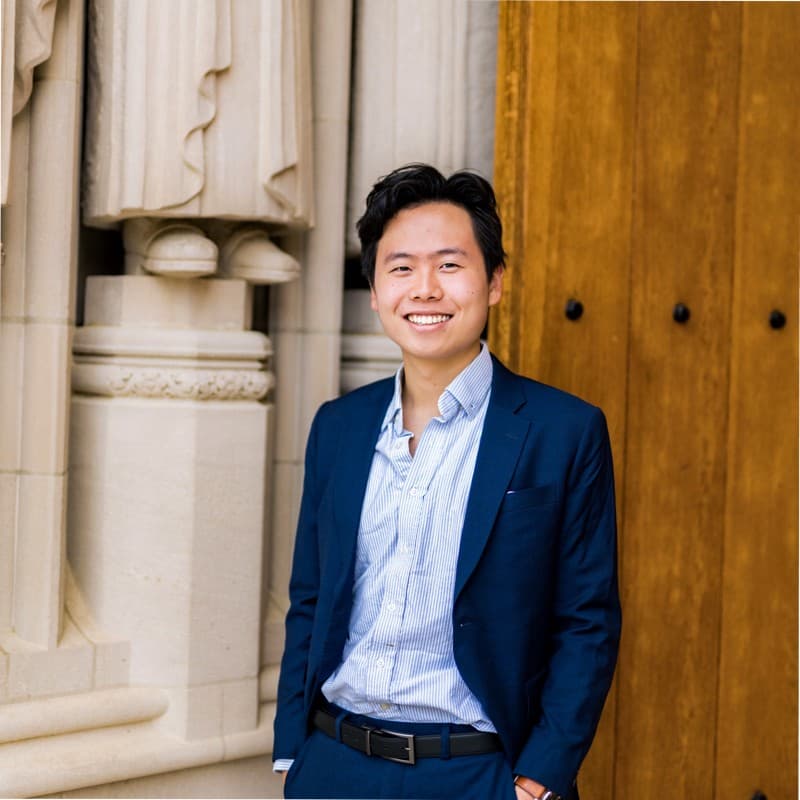
Winston Yau
Winston (he/him) is the Energy & Industrial Systems Policy Manager at the Climate and Community Institute, where he works with researchers, labor and environmental justice allies to develop and implement justice-oriented visions around managed fossil fuel phase out, planning for green industrial systems, and democratic ownership and governance of energy systems. Before CCI, Winston was most recently an associate with the Rocky Mountain Institute's Climate-Aligned Industries Program, where he worked on a Hydrogen Hub and the decarbonization of the chemical, refining and shipping industries through policy and environmental justice analysis, as well as stakeholder engagement. Winston also has an extensive understanding of industrial supply chains and decarbonization options through his work with over 15 startups and in investing across aviation decarbonization, climate R&D ecosystem mapping, battery recycling and zero-carbon cement. He was also an organizer with WePower, the Public Power campaign in DC and a DC DSA priority campaign. He lives in DC and got his BA in Public Policy and Physics from Duke university.
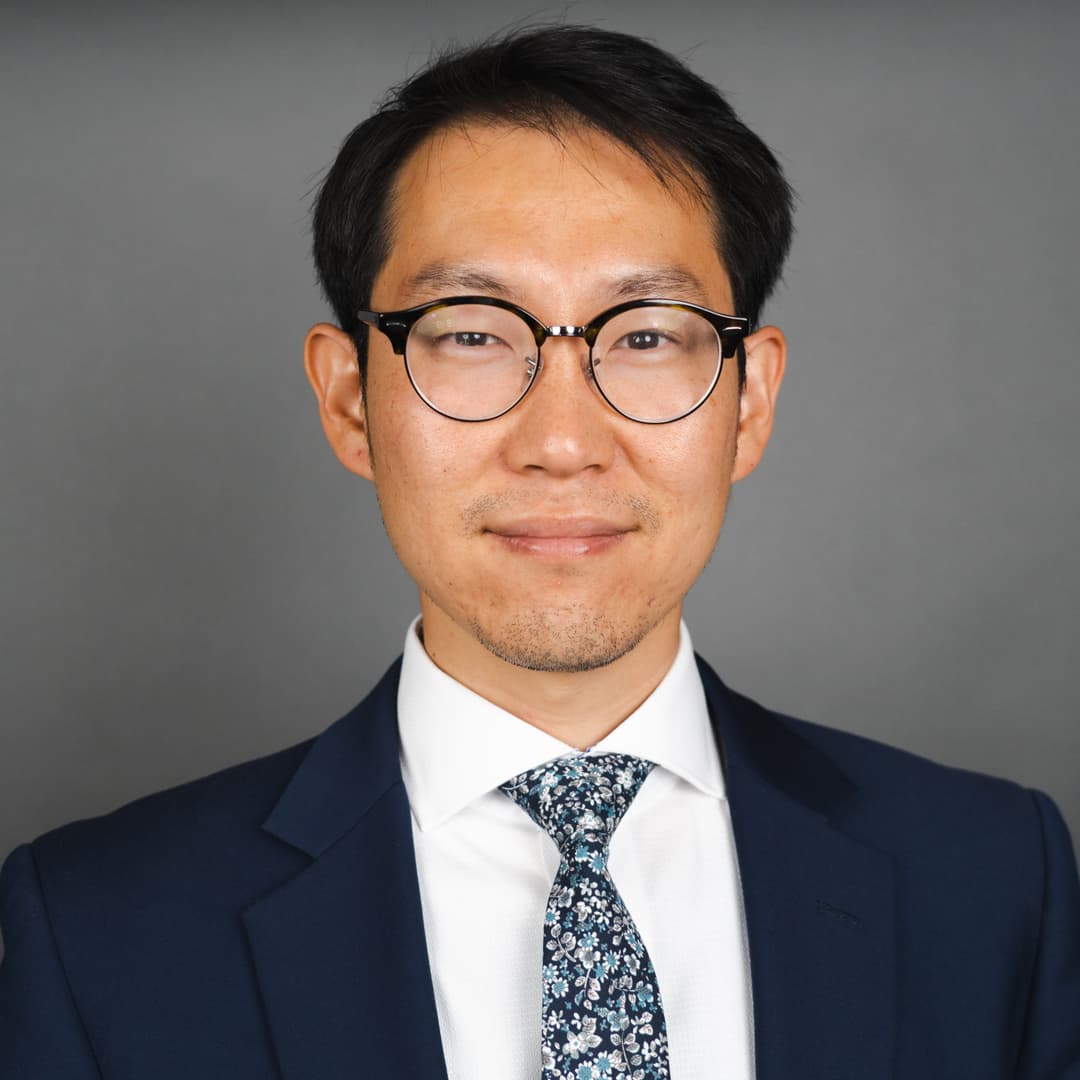
Yong Kwon
Yong Kwon is an economist and industrial policy expert specializing in the design of public policies aimed at promoting cleaner manufacturing technologies in sectors that traditionally have high greenhouse gas emissions. As Senior Campaign Advisor at the Sierra Club –the largest grassroots environmental organization in the United States– he provided technical assistance on legislation focused on steel decarbonization, tax credits for clean industrial process heat, carbon border adjustments, and others. He also provided feedback to the Department of Energy and other federal agencies on the implementation of programs created under the Inflation Reduction Act to reduce embodied greenhouse gas emissions in the manufacturing sector. Yong came to the Sierra Club with experience in business consulting. He holds a master's degree in economic history from the London School of Economics.